sábado, 23 de noviembre de 2013

GRULLAS Y GANSOS EN VALDECAÑAS, UNA VERGÜENZA Y UNA GOZADA

A unos 35 k al sur de nuestra casa aquí en Villanueva de la Vera (se ve desde nuestra terraza) cae el embalse Valdecañas, una ingente lámina de agua con muchos bichos pero bastante difícil de trabajar por su enorme tamaño. Algunas entradas al embalse también dejan muchísimo que desear, sobre todo desde El Gordo con una vergonzosa cantidad de basura tirada por todos lados, por lo visto sin ninguna intención de recogerla jamás. Da verdadero asco.
De hecho, tanto asco nos dio esta mañana que, nada más llegar, cambiamos el plan, volvimos al coche y rodeamos el embalse para entrar por una pista mucho más bonita desde el pueblo Peraleda al oeste. Este camino es mucho más difícil para coches y por ende tiene mucha menos basura. Las dos cosas, desgraciadamente, siempre van juntas en este país (donde llegan coches, llega basura). Se entra por una dehesa abierta muy bonita llena de grullas, avefrías y con los reclamos de gansos, ánades silbones y las grullas mismas creciendo en volumen según te acercas andando al agua. No hay otro sonido ni molestia. Da verdadero gusto.
Las primeras grullas del día nos sobrevolaron aun sin mucha luz para iluminarlas.

Los prados mientras entrábamos estaban salpicados con estas majestuosas aves buscando su desayuno.

En la siguiente foto se ven dos jóvenes guiados por un adulto. Los jóvenes se distinguen fácilmente por el dibujo más borroso de cuello y cara y también, en el campo, por su reclamo diferente: un silbido agudo y débil en vez del magnífico trompeteo de los adultos.

Y aquí vemos el grupo típico de los dos padres volando con su joven de este año.

Y para terminar las grullas en vuelo, un lindo grupo de 4 adultos.

Es de sobra conocido lo difícil que es acercarse a las grullas en el suelo. Pero a veces, el coche es el mejor escondite y, volviendo a casa, ya con luz s dura, pudimos retratar este adulto pastando cerca de la carretera.

Mira que son criaturas bonitas.
Los otros protagonistas de la mañana eran los gansos. Siempre tenemos la ilusión de ver otro ganso que no sea el ánsar común entre ellos pero hoy no hubo suerte (bueno sí, uno de esos del Nilo que no son muy agraciados físicamente pero estos no cuentan…). Pero estos bichos, que también vienen a veces del lejano norte, merecen su momento en el sol. Siendo bichos tan grandotes, siempre es bonito verlos “amenizar” en grupos.


En la próxima secuencia de 3 fotos se ve como 3 gansos, con los pies extendidos, se acercan a sus propios reflejos antes de romperlos con la salpicadura de su contacto.


Así que esta mañana hemos visto lo peor y lo mejor de Valdecañas. Ojalá llegue pronto el día cuando más gente aprecie la belleza que atesora sin afearlo sin sentido.

English translation of thetext:
VALDECAÑAS RESERVOIR, A DISGRACE AND A DELIGHT
About 35 k due south of our house here in Villanueva de la Vera (you can see it from our balcony) lies Valdecañas Reservoir, a vast, bird-rich lake whose sheer size makes it difficult birding at times. Some of the entrance tracks are also pretty disgusting, especially from the village El Gordo with rubbish strewn all over the place without any apparent intention of ever cleaning it up. It’s a real disgrace.
Indeed, this morning the scene was so disgusting that, as soon as we arrived, we changed our minds, went back to the car and drove round the reservoir to enter along a much more pleasant entrance track from the village Peraleda to the west. This path is practically unpassable for cars and therefore has far less rubbish. The two things always go together in this country, unfortunately (wherever cars get to, rubbish builds up). The entrance path runs through a lovely open Holm-Oak wood full of crazing Cranes and Lapwings with the calls of Greylag Geese, Wigeon and the Cranes themselves growing louder as you approach the water on foot. There’s no other sound or nuisance. It’s a real delight.
The day’s first flocks of cranes overflew us still largely silhouetted in the half light. As the sun rose we moved through lovely meadows dotted with these majestic birds looking for their breakfast. The next photo shows an adult leading out two juvs, which can easily be told apart from the adults by their fuzzy necks and heads instead of the clean black and white pattern of the adults. In the field also they have a very different call as they fly over, a high weak whistle instead of the magnificent trumpeting calls of their parents. The commonest group is probably the two adults with their young bird of this year, as shown in the next photo.Finally a neat group of 4 adults. Cranes are notoriously hard to get close to on the ground but sometimes the car is the best hide. On the way home, now with the light a bit fierce, we were able to snap this adult grazing close to the road.What beautiful creatures they are!
The other star turns of the morning were geese. We always harbour hopes of finding among them some of the rarer grey geese or even a black goose, all of which turn up occasionally, but today it was all Greylags, about 1000 in all. But some of these birds have also winged their way down from the far north and deserve their moment in the limelight. Since they’re such bulky birds, it’s always nice to watch the way they “land” in groups. The last sequence of 3 photos shows a trio of Greylags, feet extended, gliding down to meet their own reflections coming up before shattering them with their splash down.
So this morning we saw the worst and best of Valdecañas. Let’s hope that soon there’ll be more people who appreciate properly the beauties it treasures without treating it, with total impunity, as a free rubbish dump.

jueves, 21 de noviembre de 2013

FESTIVAL DE LAS GRULLAS 2013

Este año se celebra de nuevo el festival de las grullas y aunque yo no puedo asistir recomiendo a todo el que pueda que vaya. El festival se celebra en la dehesa de Moheda Alta, en Navalvillar de Pela y se van a realizar un montón de actividades en relación a las grullas. Es lo menos que se puede hacer teniendo en cuenta que han volado 4000 km para llegar hasta aqui!! Aquí os dejo el link the la página web donde podéis encontrar toda la información  http://www.festivaldelasgrullas.com/birdex/live/festival-de-las-grullas/el-festival.html


Este año también han decidido hacer un calendario con fotos de grullas y han escogido una de las mías para el mes de Diciembre del 2014. Asi que desde aquí agradecer a todo el personal encargado de promover y realizar todas estas propuestas.

Para terminar os dejo la foto que ha sido escogida para el calendario.


English translation of the text:
CRANE FESTIVAL 2013
This is a local entry concerning an important crane festival to be held in Spain (Moheda Alta, Extremadura), celebrating in various ways and with diverse events the winter presence of these splendid birds in our territory.
My photograph of the crane quartet has been chosen by the organisers for their crane calendar, and I would like to express my gratitude for including one of my photos and for putting on the whole event.

martes, 12 de noviembre de 2013

¡¡¡DE CHIRIPA!!!

 
El verano pasado, en Julio y Agosto, pasamos días enteros en Asturias buscando con ahínco la mariposa  Apatura iris (tornasolada), que teníamos entre ceja y ceja, con unas ganas tremendas de ver una. Tanto en Ponga, Redes como en Somiedo intentamos y fallamos ver esta belleza de la entomología española, y al final tuvimos que volver a La Vera en septiembre sin éxito.
Pero . . .
. . . en un momento vago estaba hojeando archivos de fotos pasadas y cuál ha sido mi sorpresa al encontrar esta foto del verano anterior, de 2012:


La foto no es muy allá pero es indudablemente una Apatura iris fotografiada por mí . . . ¡y no tengo ningún recuerdo de la observación ni de la cita! En aquel entonces no tenía mucho conocimiento ni interés en mariposas y debí pensar  “qué mariposa más bonita”, la fotografié y a otra cosa mariposa!!
Así que la moraleja de esta historia es: Revisa a menudo  las fotos pasadas. Nunca sabes qué sorpresas te puedes encontrar.
El verano que viene intentaré sacar una foto en condiciones . . . y con conocimiento de causa!!

English translation of the text:
SERENDIPITY
Las summer, in Asturias, we tried again and again during July and August to find a Purple Emperor (Apatura iris). In the nature reserves of Ponga, Redes and Somiedo we spent hours looking for one without any success. In the end we had to return to La Vera in September without one sighting.
But . . .
. . . in an idle moment I was browsing through past archives and I was stunned to find photos of this very butterfly from the summer before, in 2012, and I have no memory at all of taking it! At that time I knew little of butterflies and I must have seen it, thought “what a pretty butterfly”, snapped it and passed on without more ado.
So the moral to this story is: keep checking through past photos files. You never know what surprises may be lurking there. The photo certainly isn't anything to write home about but next summer I shall try to improve on it with awareness this time of what I’m doing!!

domingo, 10 de noviembre de 2013

UNA MAÑANA EN EL “ZOO” DE MONFRAGÜE


A la famosa reserva de Monfragüe, que cae a poco más de una hora en coche de nuestra casa, la llamamos con mucho cariño el “zoo” por la fiabilidad con la que puedes ver en casi cada visita las varias especies objetivo como cigüeña negra, águila imperial, real y perdicera, búho real, vencejos real y cafre, etc. Como si de un zoo de verdad se tratase. Pero la verdad es que por estas fechas no tiene mucho “expuesto”. Los veraneantes se han ido, las grandes águilas están más a su bola y la mayoría de los invernantes no han llegado todavía. En una vista de la mañana del sábado 9 de noviembre, por primera vez jamás no nos han puesto ni un águila. Tendremos que hablar en serio con el cuidador.
Siempre fieles a su cita, sin embargo, son los dos impresionantes buitres que surcan los cielos de este sitio, tanto el buitre negro:

y los buitres leonados


Viendo estos dos magníficos bichos es quizás lo más cerca que hay aquí en Extremadura del sosiego que te entra viendo el trasiego continuo de una colonia de aves marinas, aunque en el caso de estos gigantes parece que todo ocurre a cámara lenta, una experiencia aún más relajante si cabe.

De cámara lenta nada tiene la pareja de peregrinos que estuvimos viendo durante unas dos horas en el Salto del Gitano. De hecho toda la tranquilidad que nos entró viendo los buitres se volvió ansiedad al ver los continuos ataques sin fruto de los dos peregrinos, los pobres. Varios picados alucinantes pero fallidos presenciamos contra los muchos aviones roqueros que pululaban por allí, contra una calandria y el macho de peregrino contra una paloma casi del mismo tamaño que él. Todo en balde.


La verdad es que dos horas continuas de volar, picar, ganar altura otra vez, acelerar, volver a picar, otra vez sin éxito . . . pues no cuadran las cuentas de energía gastada y ganada. Esperemos que sea solamente un mal día. Y desde luego los aviones roqueros, la calandria y paloma agradecían la posibilidad de seguir viviendo un poco más. 

English translation of text:
A MORNING AT MONFRAGÜE ZOO
The famous Monfragüe nature reserve, lies only an hour’s drive from our house. With much affection we dub it “The Zoo” due to the incredible dependability with which you can see the various target species like Black Stork, Golden-, Imperial- and Bonelli’s Eagle, Eagle Owl, Alpine- and White-Rumped Swift, etc, on almost every visit. Truth is, however, that there’s not really much on display during this interim period after the summer visitors have left, before most of the winter visitors have arrived and with the big eagles wondering around at random. For the first ever time there wasn’t even one species of eagle on show. We’ll have to have a serious talk with the zookeeper.
Two that never fail are the biggest of Spain’s vultures, the Cinereous Vulture (also called Monk and Black Vulture) and the Griffon. Watching these magnificent creatures plying the skies is probably the nearest thing in Extremadura to the peacefulness of watching the comings and goings of a seabird colony, though in the case of these two giants everything seems to happen in slo-mo, making the experience even more relaxing if possible.
Slo-mo certainly isn’t the word for the pair of Peregrine Falcons we were watching for about 2 hours near the rock called Salto delGitano. In fact all the peacefulness the vultures had imbued us with turned to angst watching the peregrines fail time after time in their attacks on their winged neighbours. Several stunning but unsuccessful stoops we saw against the many Crag Martins swarming around there, a Calandra Lark and also an attack by the male Peregrine against a pigeon almost matching him in size. All in vain.
Two hours of stooping and soaring for nowt are bad news in terms of the energy input-output equation. Let’s just hope it was just a bad day at the office. And in any case the Crag Martins, Calandra Lark and Wood Pigeon must have been grateful for the chance to continue living a little longer.

domingo, 27 de octubre de 2013

ELOGIO AL PETIRROJO


Colores impactantes no tengo.


Mi canto no ha inspirado odas.


Pero cuando los aparatosos abejarucos y ruiseñores os abandonan cada año, nada más bajar las temperaturas, me quedo con vosotros todo el invierno e incluso os regalo una melodía melancólica de otoño cuando casi nadie más canta.


Algo de mérito tengo, ¿no?


English translation of the text:
IN PRAISE OF THE ROBIN
Luscious plumage I cannot boast.
My song is not the stuff of odes.
But when the flashy Bee-eater and Nightingale abandon you each year, dashing off to Africa when the temperatures drop, I stick by you through thick and thin all winter, even regaling you with a melancholy autumn ditty when almost nothing else is singing.
I must have something going for me, no?

domingo, 6 de octubre de 2013

HIDROHIDE AL AMANECER

Hoy ha sido un día muy bueno para el hidrohide en La Vera: soleado y sin viento. Eso sí, hacía bastante frío cuando me metí en el agua al amanecer.


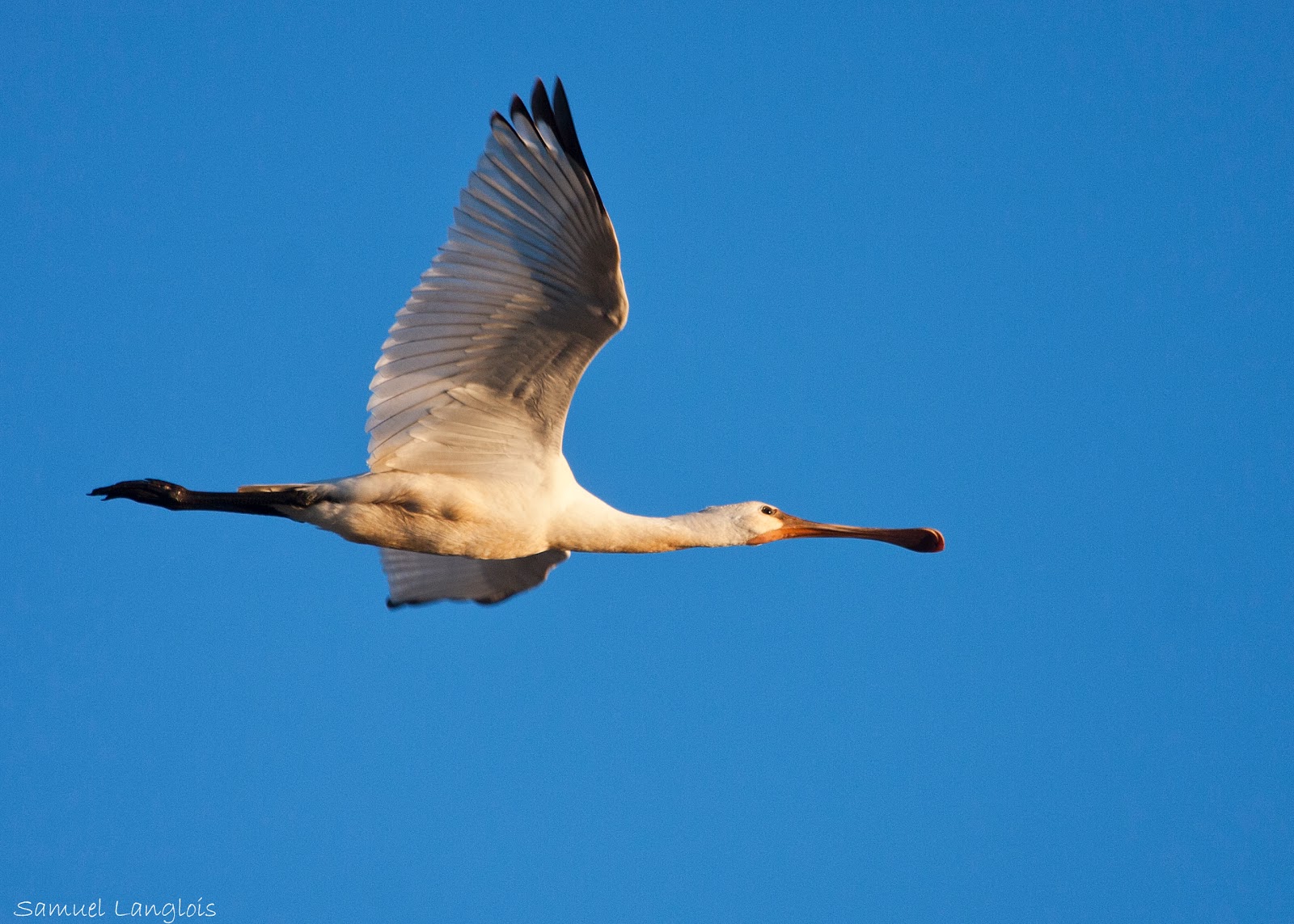
Enseguida me recompensaron unas espátulas sobrevolándome bajo e iluminadas desde abajo por el sol naciente.


Muchos de los protagonistas de hoy fueron los mismos que la última vez, pero siempre con posturas o una luz diferente, lo que hace que siempre sea una experiencia tan interesante.
El siempre presente archibebe claro, por ejemplo, parece que cambia la forma de su cuerpo por la curiosidad que muestra al pasar el hidrohide por su lado.


Los martines pescadores también  han hecho acto de presencia, tanto un macho posado en una ramita seca . . .


. . . como una hembra posada sobre la orilla misma.

También pasó bastante cerca durante  la mañana este bonito zorro, buscando presa entre las rocas.


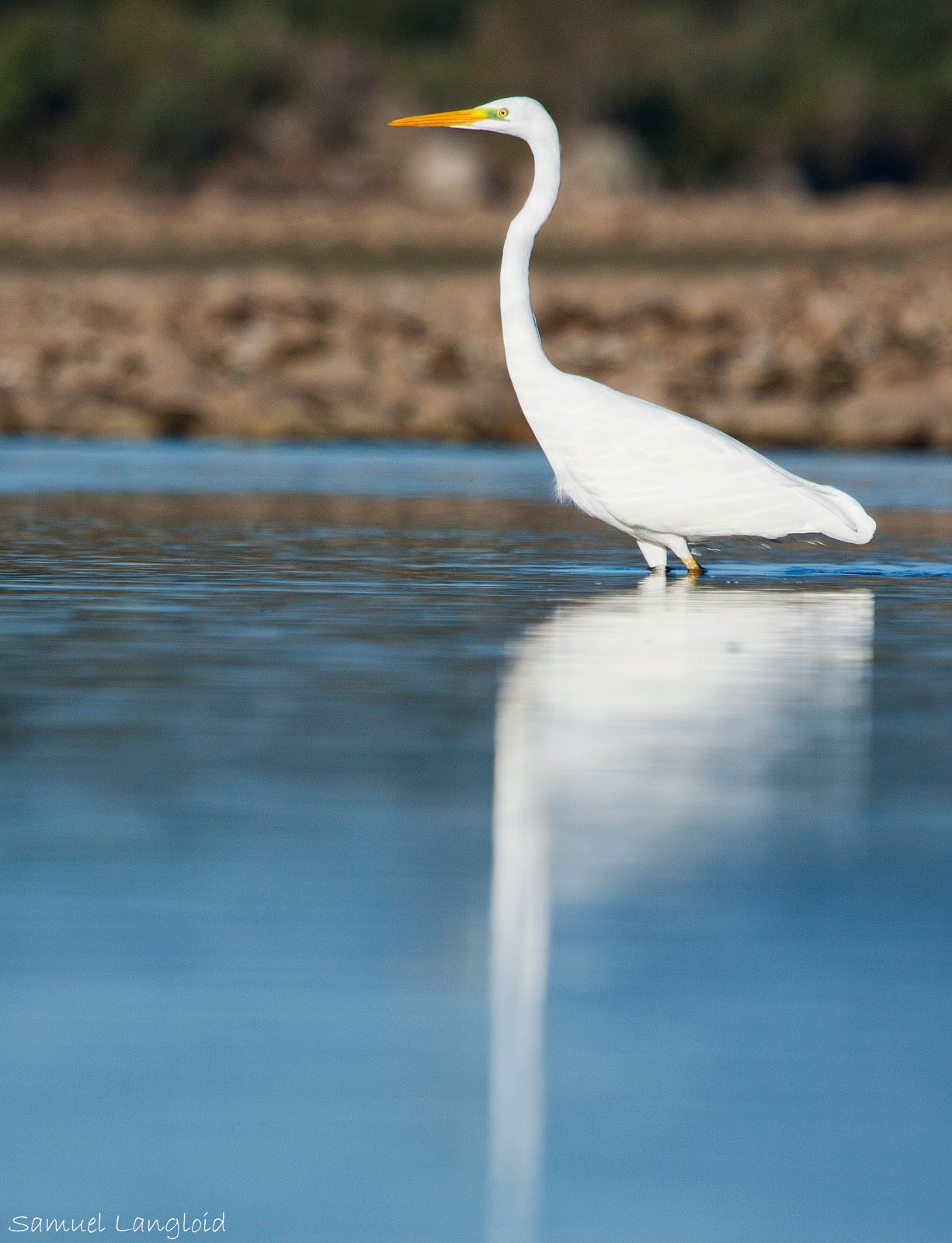
Un ave cuyos números están subiendo como la espuma en La Vera es la Garceta Grande. Cuando llegamos aquí hace 11 años casi no se veían. Ahora no hay lámina de agua que no las tenga. Esta mañana vi hasta cincuenta. Es un ave bellísima con su plumaje blanco como la nieve.


A veces dan saltos para capturar su presa con las alas abiertas como en esta foto, dando buena idea su envergadura.

Esta secuencia de dos aves me gusta mucho. Primero se acercan . . .

. . . luego se cruzan, sus cuellos haciendo un corazón mientras tanto . . .


 . . . y luego cada uno sigue por su lado . . .


Mucho más tímida es la familiar Garza Real. Se dejan ver bien desde distancia pero pocas veces te dejan acercarte mucho.


Más confiado es el cormorán, quizás por su facilidad de zambullirse si la situación se pone amenazante. Por eso aguanta más.


Otra limícola que también me aguantó bien el paso fue esta hermosa avefría.


Y para terminar, esta Cigüeña Negra, que de repente apareció delante de mí casi antes de tener tiempo para disparar la cámara. Hubo 5 ó 6 en total durante la mañana pero ninguna dentro de una distancia decente para fotografiar. Otra vez será. Pero, tendrá que ser pronto porque muchos más días de aguantar 4 horas en el agua no creo que me queden este año!!


English translation of the text:


FLOATING-HIDE PHOTOGRAPHY AT DAWN


Today, sunny and windless, was a really good day for floating-hide photography in La Vera. Mind you, it was pretty chilly when I first got into the water at dawn.

I was soon rewarded when a Spoonbill flew over, lit from below by the rising sun. Many of today’s star turns were repeat performers from the last floating-hide outing, but always with slight differences in lighting or bird postures, so the experience is always an interesting one. The omnipresent Greenshank, for instance, seems to change its body shape according to its degree of curiosity as the hide floats by. Kingfishers also turned up, one male perched on a dead branch and a female perched on the bank itself. A fox also trotted by, looking for prey among the riverside rocks. One bird whose numbers are soaring here in La Vera is the Great White Egret. When we first came to live here 11 years ago it was hardly ever seen. Now there’s hardly any body of water that hasn’t got some. This morning I saw about fifty. It’s a beautiful bird with its snow-white plumage. In one of the photos you can see how they sometimes hunt by giving little hops with their wings spread wide, giving a good idea of their wing span. In another sequence you see two birds approaching each other, forming a heart-shaped pattern as they pass and then moving away from each other. Much shier is the Grey Heron. They are easy to see from a distance but rarely let you get too close. Much more confiding is the Cormorant, probably due to the fact it can always dive if the situation gets too threatening and therefore holds out longer. A handsome Lapwing also stayed put as the hide glided by. And finally a Black Stork suddenly flew into view almost before I had time to trigger the camera (you have to make sure your fingers are dry). There were about 5 or 6 during the whole morning but none within a decent photographing distance. Have to take a rain check on that one. But it will have to be soon because I don’t reckon there will be many more days this year for spending four hours in the water!


martes, 1 de octubre de 2013

SEGUIMOS CON EL CORRELIMOS PECTORAL VERATO


Como el ampelis del invierno pasado, los visitantes del ártico a La Vera siempre nos ponen en firmes. Así que después de encontrar el correlimos pectoral el domingo pasado hemos vuelto esta tarde para dedicarle una entradita monotemática.
Lo encontramos sin dificultad andando por las mismas playitas, y como no todos los días se ve un correlimos pectoral, decidí reptar unos cuantos metros por fango y plantas palustres para disfrutar de un rato casi a su lado, él mientras tanto medio durmiendo, acicalándose y comiendo como si nada. Espero que os gusten las fotos.


English translation of text:

THE PECTORAL SANDPIPER IS STILL HERE IN LA VERA

Like the Waxwing last winter, Arctic visitors to our area always make us twitchier than any others. After finding the Pectoral Sandpiper last Sunday, therefore, we returned this afternoon to see if it was still there.

We found it without any difficulty, probing the riverside mud in pretty much the same spot. It’s not every day you see a Pectoral Sandpiper so I decided to creep up to it on my belly through the mud and marsh plants. It didn’t seem to mind even when I eventually got very close, continuing to sleep and occasionally preen as though I was nothing more than a strange-shaped bush. I hope you agree the photos are worth the soaking they cost me.